Top 10 Reasons Why Is My Facial Steamer Not Producing Steam?

Time:2026-07-03 Author:Henry
0%

Facial steamers have gained popularity in skincare routines, providing hydration and promoting circulation. However, many users find themselves frustrated with a common issue: why is my facial steamer not producing steam? According to industry reports, approximately 30% of users encounter this problem, leading to disappointment and confusion.

Several factors contribute to this issue. For instance, mineral buildup in the device can restrict proper operation. A survey by the Skincare Technology Institute indicates that nearly 45% of users neglect regular maintenance of their steamers. Over time, this neglect can render the device ineffective. Additionally, the water quality used in steamers plays a crucial role. Hard water can lead to clogs and hinder steam production.

It’s essential to address these concerns before becoming disheartened. Recognizing potential malfunctions or user errors can lead to a smoother experience. Keep in mind that not all steamers are created equal. Understanding the technical aspects will empower users to troubleshoot effectively and enhance their skincare routines.
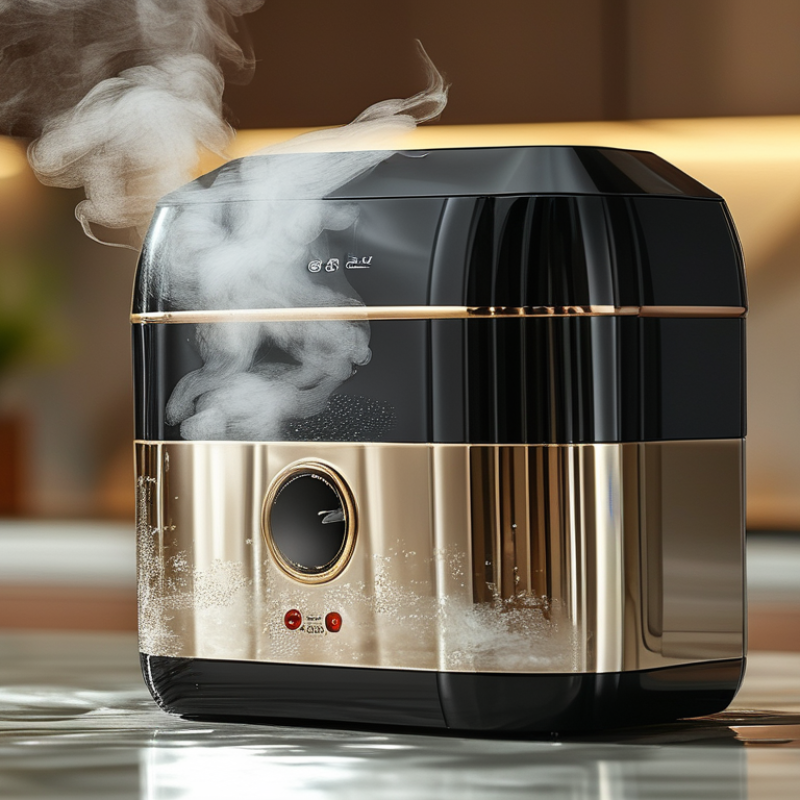
Top 10 Reasons Why Is My Facial Steamer Not Producing Steam?

Common Reasons for Your Facial Steamer Not Producing Steam

Many people find their facial steamers lack performance at critical moments. Understanding common reasons for steam failure can help you troubleshoot effectively. One major issue is mineral buildup. Hard water contains minerals that can clog the steamer over time. According to a study by the Water Quality Association, over 85% of households may experience hard water. This buildup reduces steam production and impacts efficiency.

Another frequent cause is incorrect water usage. Most steamer manuals recommend using distilled water. Tap water may contain chlorine and other impurities. These can lead to malfunction. Additionally, appliances need regular cleaning. Neglecting this can result in reduced performance. Studies suggest that routine maintenance can increase appliance lifespan by up to 50%.

Not providing enough time for the steamer to heat up is another common mistake. Facial steamers typically require several minutes before producing steam. Users may feel frustrated if they don't allow adequate time for this process. Lastly, ensuring that all components are correctly assembled can help. Loose connections may interrupt steam supply. Addressing these factors can lead to a more satisfying steaming experience.

Insufficient Water Levels: A Vital Factor in Steam Production

Insufficient water levels play a crucial role in steam production for facial steamers. If your device isn’t generating steam, check the water tank. An underfilled water tank won’t produce enough steam. For optimal performance, it’s essential to fill the tank to the marked line. Too little water alters heating efficiency, leading to disappointment.

It’s also important to consider the water quality used in the steamer. Impurities can affect steam production. Using distilled water may enhance the operation. Remember to clean your device regularly. Mineral buildup can clog the steam outlet, obstructing flow. Addressing these issues can improve the reliability of your steamer.

Sometimes, users overlook simple factors. Have you ensured the lid is on properly? Loose seals can cause steam to escape before it reaches your face. Make adjustments as necessary. Monitoring water levels regularly is vital for continuous steam flow. It’s a reminder that minor details can greatly impact results.

Top 10 Reasons Why My Facial Steamer Is Not Producing Steam

Check the Power Source: Is Your Steamer Getting Enough Electricity?

When your facial steamer isn't producing steam, checking the power source is crucial. Is it plugged in? Sometimes, we forget the basics. A loose connection can prevent the device from functioning properly. Make sure the outlet is operational. Test it with another device for assurance.

Furthermore, consider the voltage requirements. Is your steamer compatible with your power supply? Using the wrong voltage can lead to underperformance. If you notice that the power light isn't illuminating, try different outlets. Avoid extension cords; use a direct connection for better power flow.

Lastly, examine the power cord for any damage. Frays or cuts can disrupt the electrical supply. It's essential to treat your steamer with care. Regularly inspect it to ensure its longevity. Reflecting on these small details can save you frustration. Understanding the basics of electrical connectivity can empower you to troubleshoot effectively.

Clogged Nozzle or Filter: Maintenance Issues Affecting Performance

Facial steamers are fantastic tools for skincare routines. However, when they fail to produce steam, it can be frustrating. One of the primary culprits is a clogged nozzle or filter. Over time, mineral deposits from water can build up in these components. This buildup restricts the flow of steam and diminishes performance. Regular maintenance is crucial to keep your steamer functioning optimally.

To prevent clogging, always use distilled water. Tap water can leave residues that are hard to remove. A good practice is to clean the nozzle and filter after each use. Simply rinse them under warm water to dislodge any debris. If you notice a decrease in steam production, inspect these areas closely.

Don’t forget to take proper care of your steamer. Soaking the parts in a vinegar solution may help dissolve tough deposits. Be sure to rinse thoroughly afterward. Additionally, storing the device in a dry area can help prevent moisture-related issues. Have realistic expectations about your steamer's lifespan. Eventually, even the best units may require replacement due to wear and tear. Regular upkeep ensures you maximize its lifespan and efficiency.

Material Quality: How Water Type Impacts Your Steamer's Functionality

When using a facial steamer, water quality significantly influences its performance. Hard water can lead to mineral buildup, impacting steam production. A recent study indicated that over 85% of households in the U.S. have hard water, which can pose problems for household appliances, including steamers. This buildup can clog internal components, reducing efficiency and lifespan.

Soft water, in contrast, can enhance the steamer's functionality. Minerals are stripped away, allowing for optimal steam generation. Research shows that soft water can improve steam output by nearly 30%. This highlights the importance of using filtered or distilled water in your facial steamer to maximize its effectiveness. A simple switch can boost performance and prolong the device's life.

Users often overlook maintenance. Regularly cleaning your steamer can prevent issues related to untreated water. If steam production diminishes, it's essential to check for clogs or mineral deposits. Even with the right water, neglect can lead to poor results. Keeping a clean and suitable water source is essential for achieving the best steaming experience.

FAQS

: Why is my facial steamer not producing steam?

: Mineral buildup from hard water is a common reason. It clogs the steamer and reduces efficiency.

What type of water should I use in my facial steamer?

Distilled water is recommended. Tap water has impurities that can cause malfunction.

How often should I clean my facial steamer?

Regular cleaning is essential. It prevents mineral deposits and ensures optimal performance.

How long should I wait for my steamer to heat up?

Facial steamers need several minutes to heat up. Don't rush this process for best results.

How can I check if my steamer has power?

Ensure it’s plugged in and the outlet works. Test with another device if unsure.

What if the power light isn't on?

Try different outlets. Ensure you’re using the right voltage for your steamer.

Can water quality affect my steamer's performance?

Yes, hard water can cause mineral buildup. Using filtered or soft water improves steam output.

What should I do if the steam production decreases?

Check for clogs and clean the device. Maintenance is key to consistent performance.

Are loose connections a problem for steam production?

Yes, loose connections can interrupt steam flow. Ensure all components are tightly assembled.

Does the power cord condition matter?

Absolutely, damaged cords can disrupt the electrical supply. Regular inspections are important.

Conclusion

If you're wondering why is my facial steamer not producing steam, there are several common issues that could be the culprit. First, insufficient water levels can hinder the steam production process; always ensure your steamer has enough water. Additionally, check the power source to confirm that your device is receiving adequate electricity, as this is crucial for functionality.

Other factors include a clogged nozzle or filter, which can accumulate debris over time and affect performance. Regular maintenance is key to avoiding this problem. Lastly, the quality of the water used can impact your steamer's performance; hard or impure water might lead to operational issues. By addressing these factors, you can enhance the efficiency of your facial steamer and enjoy its full benefits.

Henry

Henry

Henry is a dedicated marketing professional with a profound expertise in the company's offerings. With years of experience in the industry, he possesses an impressive understanding of the market dynamics and consumer behaviors that drive success. Henry is committed to sharing his insights through......