How to Properly Store Homemade Masks from a Mask Machine?

Time:2026-07-30 Author:Amelia
0%

Storing homemade masks from a mask machine requires careful consideration to maintain their quality and effectiveness. Users often overlook the importance of proper storage, which can lead to contamination or deterioration. Understanding how to store homemade masks from a mask machine is essential for anyone aiming to keep their masks safe for future use.

Masks should be placed in a clean, dry environment. Avoid exposing them to direct sunlight or extreme temperatures. This prevents any potential damage to the mask material. You might use breathable fabric bags or boxes to store them. However, many people don't realize this can be critical to ensuring their masks remain effective.

It's also good practice to label storage containers with dates. This helps track their usage and ensures you don’t use masks that have exceeded their shelf life. Reflecting on your storage method can lead to better mask longevity. Attention to these details may seem small but significantly impacts the overall effectiveness of your homemade masks.
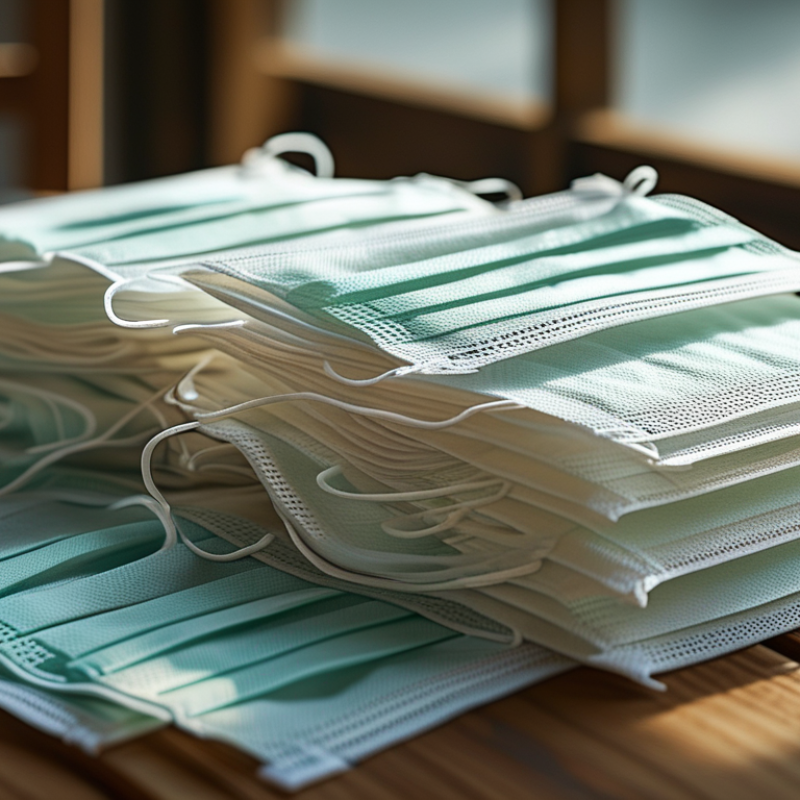
How to Properly Store Homemade Masks from a Mask Machine?

How to Choose the Right Storage Conditions for Masks

Choosing the right storage conditions for homemade masks is crucial for maintaining their effectiveness. The ideal environment should be cool and dry. Excessive heat or humidity can degrade the mask's materials. It’s important to keep them away from direct sunlight. Sun exposure can damage fibers, reducing filtration efficiency. A dark, airtight container works well for storage.

Ensure masks are clean before storing. Dirt and moisture can compromise performance. Always wash and dry them completely. If possible, use a breathable fabric bag instead of plastic. This allows air circulation while protecting the masks. Regularly check stored masks for signs of wear or damage. If they appear degraded, it’s time to make new ones.

Consider labeling your storage containers. This helps in organizing masks based on type or date. It might seem minor, but accurate labeling can save time during emergencies. Also, be mindful of how many masks you store. Too many in one place can create clutter. Regularly assess your supply and stay prepared without hoarding.

Storage Conditions for Homemade Masks

This chart illustrates the optimal storage conditions for homemade masks produced by a mask machine. Maintaining the right temperature, humidity, light exposure, and airflow is crucial for preserving the integrity and effectiveness of the masks.

Temperature and Humidity Control for Optimal Mask Preservation

When storing homemade masks, maintaining the right temperature and humidity is crucial. Masks should be kept in a cool, dry place. Ideal temperatures range from 60°F to 75°F. High heat can degrade materials. On the other hand, extremely low temperatures may cause brittleness in some fabrics.

Humidity levels also play a significant role. The ideal humidity is around 40% to 60%. Higher humidity can promote mold growth. Using a hygrometer can help you monitor these levels. Keep the masks in a breathable container to avoid moisture buildup.

Regularly check your storage area. It may require adjustment based on seasonal changes. Storing masks in a basement may seem convenient, but high humidity can be problematic. A dedicated drawer or closet can be more suitable. Don’t forget to rotate your masks regularly. This practice ensures they remain fresh and ready for use.

Recommended Storage Materials and Containers for Homemade Masks

Storing homemade masks properly is vital to maintain their effectiveness and safety. Choosing the right materials and containers plays a crucial role in this process. Breathable fabric pouches are an excellent choice. They allow air circulation while keeping dust and moisture out. Using a clean, dry glass jar is another option. Glass does not harbor bacteria like some plastics can.

When it comes to packaging, opt for materials that don't emit chemicals. Avoid plastic bags with added fragrances or chemicals, as they can compromise the integrity of your masks. Paper bags or cotton containers are ideal for short-term storage. However, they may not protect from environmental factors as well as harder materials.

Improper storage can lead to more issues than just wear and tear. Masks stored in damp areas can develop mold. This not only reduces their lifespan but also poses health risks if worn. It’s essential to check them regularly for signs of damage. Rethink your storage habits as needed.

Proper Labeling Practices for Efficient Mask Organization

Proper labeling practices are essential for efficient mask organization when storing homemade masks. Clear labels help prevent confusion and ensure quick access. According to the CDC, effective labeling can improve compliance with hygiene protocols. Labels should include the type of mask, date of production, and any special instructions for use.

Tips: Use waterproof markers for durability. Color-coding can also enhance visibility, making it easier to differentiate between mask types.

Another aspect to consider is storage conditions. Homemade masks should be kept in a cool, dry environment to maintain their integrity. Storing in airtight bags is advisable. A report from the World Health Organization highlights the importance of storage conditions on mask efficacy. Inadequate storage can lead to contamination or degradation.

Tips: Regularly check stored masks for signs of wear or damage. When masks are used, update the labels to reflect the usage history. This practice ensures that masks are always in optimal condition for use.

How to Properly Store Homemade Masks from a Mask Machine? - Proper Labeling Practices for Efficient Mask Organization

Mask Type Storage Temperature Humidity Level Labeling Guidelines Shelf Life
Cotton Mask Room Temperature (20-22°C) 45-55% Name, Date of Creation 2 Weeks
Surgical Mask Cool and Dry (15-20°C) 30-50% Use By Date, Mask Type 3 Years
N95 Respirator Ambient (10-25°C) < 60% Batch Number, Expiration Date 5 Years
Cloth Mask Dry and Cool (18-22°C) 40-60% User Name, Last Cleaned Wash after Use

Monitoring and Maintaining Mask Quality Over Time

Maintaining the quality of homemade masks is crucial over time. Proper storage can impact their effectiveness. A recent industry report indicates that masks can degrade quickly if not stored correctly. High humidity and temperature swings can reduce filtration efficiency by up to 30%.

Mask materials such as non-woven fabric can absorb moisture. This can lead to bacterial growth. According to a study, masks stored in airtight containers retain their protective qualities longer. Consider using desiccants to reduce humidity in storage areas.

Regular inspection is also vital. Check masks every few weeks for any signs of wear or damage. Observing discolored fabric or loose seams can indicate deterioration. While it may be tempting to store them indefinitely, remember that most fabrics have a shelf life. A proactive approach can help ensure masks remain safe and effective for use.

FAQS

: What is the ideal temperature for storing homemade masks?

: The ideal temperature is between 60°F and 75°F. High heat can degrade the materials.

How does humidity affect mask storage?

Humidity should be around 40% to 60%. Higher humidity can promote mold growth on the masks.

What type of container is best for storing masks?

Use a breathable container to avoid moisture buildup. Avoid airtight bags if humidity is high.

How often should I check the storage area?

Regularly check your storage area for any changes. Adjust as necessary based on seasonal conditions.

Why is labeling important for masks?

Proper labeling prevents confusion and ensures quick access. Labels should include type, date, and special instructions.

How can I ensure my masks remain effective over time?

Inspect masks regularly for wear or damage. Discoloration or loose seams indicate they may need replacement.

What materials help maintain mask quality during storage?

Non-woven fabrics are good. Using desiccants can also help reduce humidity and preserve quality.

Is it safe to store masks indefinitely?

No, masks have a shelf life. Regular checks are needed to ensure they remain safe and effective.

What does color-coding help with?

Color-coding enhances visibility. It makes it easier to distinguish between different mask types.

How should I handle used masks?

Update the labels after use. This keeps track of usage history and maintains hygiene compliance.

Conclusion

When considering how to store homemade masks from a mask machine, it is essential to choose the right storage conditions to ensure their longevity and effectiveness. Optimal temperature and humidity levels must be maintained, typically in a cool and dry environment, to prevent degradation of the masks. Using appropriate storage materials and containers, such as airtight boxes or zip-lock bags, can further protect the masks from dust and moisture.

Additionally, implementing proper labeling practices will facilitate efficient organization and retrieval of the masks. It’s crucial to monitor and maintain the quality of the masks over time, checking for any signs of wear or contamination. By following these guidelines, you can significantly enhance the storage and preservation of your homemade masks, ensuring they remain safe and functional when needed.

Amelia

Amelia

Amelia is a seasoned marketing professional with a wealth of expertise in our company’s core offerings. With an unwavering passion for driving growth and innovation, she plays a pivotal role in shaping our marketing strategies and enhancing brand visibility. A key aspect of her responsibilities......