Madame Beauty
Understanding hair dryers can be tricky. Many users encounter the issue of "why is my hair dryer blowing cold air?" This often leads to frustration. According to Mark Jensen, a renowned appliance technician, "A hair dryer blowing cold air is often a sign of a deeper issue." His perspective highlights the need for troubleshooting.
When a hair dryer fails to produce warm air, users often overlook simple problems. Clogged filters or faulty heating elements are common culprits. Additionally, overheating protection could kick in, forcing the dryer to blow cooler air to prevent damage. It’s essential to diagnose the problem correctly.
Taking time to inspect your hair dryer can save you money. Many times, a thorough cleaning can restore its function. Users should consider the age of their appliance. A well-used dryer might simply be nearing its end. Addressing these concerns early could prevent costly repairs or replacements.
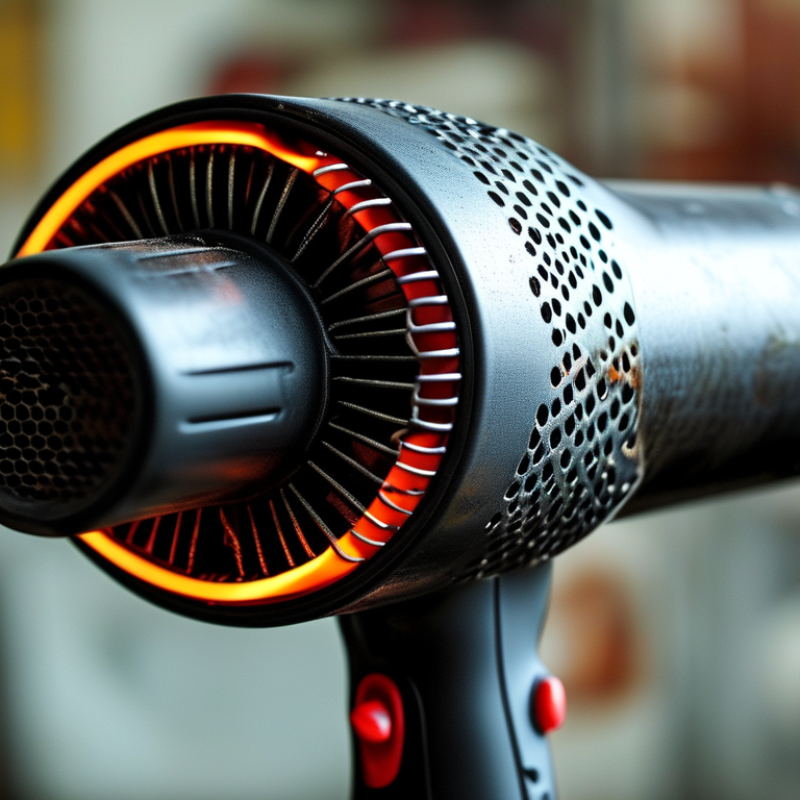
A hair dryer is a simple yet essential tool for many. Understanding how it works can help you troubleshoot issues. Hair dryers typically generate heat through a heating element. When air flows over this element, it warms up. The fan then blows this hot air out, drying your hair quickly. If your dryer is blowing cold air, it could mean a malfunction in either the heating element or the thermostat.
Regular maintenance can prolong the life of your hair dryer. Dust and debris can accumulate in the vents, obstructing airflow. This can lead to overheating, causing the dryer to shut off. Additionally, check the power supply. A damaged cord can interrupt the flow of electricity, affecting heat production. Sometimes the problem lies in user error. Selecting the wrong heat setting can lead to unexpected results. Stay mindful of these factors to maintain optimal function.
| Issue | Possible Cause | Solution |
|---|---|---|
| Hair Dryer Blowing Cold Air | Thermal Fuse Has Blown | Replace the thermal fuse. |
| Weak Airflow | Lint Buildup in Filter | Clean or replace the filter. |
| Inconsistent Temperature | Faulty Heating Element | Check and replace the heating element. |
| Shuts Off Mid-Use | Overheating Protection Activates | Allow to cool down and check for blockages. |
| No Power | Power Cord Damage | Inspect and replace power cord if damaged. |
Experiencing cold air from your hair dryer can be frustrating. There are a few common reasons this may happen. One primary reason could be a malfunctioning heating element. If this part fails, the dryer won't heat the air. Another possibility is a blocked filter. Dust and lint can accumulate, blocking airflow and preventing heat from circulating properly.
To troubleshoot, start by checking the filter. Clean it if it's clogged. This simple step can restore airflow and warmth. Next, examine the power settings. Ensure the dryer is set to heat rather than cool. Sometimes, it’s easy to miss this adjustment. If the issue persists, it might be time to inspect internal components.
Occasionally, wiring problems can lead to cold air. Look for any visible damage to cords or connections. If you notice any, it is best to consult a professional. Avoid using a malfunctioning dryer for safety reasons. Taking careful steps in troubleshooting can help you regain control over your hair styling routine. Don't rush through these checks; a systematic approach often reveals issues others might overlook.
Is your hair dryer unexpectedly blowing cold air? It can be frustrating to deal with. There are some common issues that you can check easily. One key factor is to inspect the power setting. If it is set to a lower temperature, warm air won't flow. Adjusting it to the high heat setting could resolve the issue.
Another aspect to consider is the filter and vents. If they are clogged with lint or dust, this can block airflow. Cleaning these parts regularly helps maintain efficiency. Don’t forget to check for any damage to the cord or plug, too. A frayed cord may lead to malfunctioning.
Tips: Always unplug your hair dryer before cleaning. Use a soft brush to remove any buildup from the filter. Inspect the cord for any visible wear to avoid safety hazards. If these steps do not help, it may be time to consult a professional. Often, users overlook simple maintenance, which can lead to bigger problems later.
If your hair dryer is blowing cold air, it may be time to consider seeking professional help. Some issues can be resolved at home, but others require expertise. For instance, a burnt-out heating element might need a technician's knowledge to replace. DIY fixes can sometimes lead to more damage, which is why knowing your limits is essential.
Professional assessment can save you time and frustration. If your hair dryer continually malfunctions, it is wise to consult a specialist. They can identify electrical problems or worn-out parts that may not be obvious. Remember, safety should be your priority. If you notice any unusual smells or electrical issues, unplug the device immediately and seek assistance.
Trust your instincts when it comes to repairs. If a repair seems too complex, don’t hesitate to contact a professional. You could end up spending more on a DIY fix. The risks of improper handling are too high. Sometimes, the best option is to leave it to the experts and maintain peace of mind.
Maintaining your hair dryer is essential to prevent cold air issues. Regularly clean the filter to enhance airflow. Dust and hair can accumulate, blocking the heat source. Check the nozzle for any obstructions. A clogged nozzle can restrict air and cause cold blasts. This simple step can extend the life of your hair dryer.
Another important practice is to avoid using your hair dryer in damp conditions. Moisture can interfere with the internal components and affect performance. Keep your hair dryer dry and store it in a cool place. This might seem straightforward, but we often overlook the environment where we use our devices.
Pay attention to the power settings as well. Make sure you’re not accidentally using a cool setting. Some dryers come with a cool shot feature. Mistaking this for the regular heat setting can lead to frustrations. Regular checks mean you can enjoy the warmth and avoid random cold bursts.
: Check the power setting. If it's on low, switch it to high heat.
Clean the filter and vents regularly. This prevents clogged airflow and maintains efficiency.
Inspect for frays or damage. A damaged cord can cause malfunctions.
Minor issues can be fixed at home, but complex problems may need a technician.
Unplug the hair dryer immediately. Unusual smells can indicate electrical problems.
If the hair dryer constantly malfunctions, consult a specialist for a thorough check.
DIY fixes can lead to more damage. Know your limits before attempting repairs.
No, safety is critical. If you notice electrical issues, stop using it immediately.
When experiencing the frustrating issue of "why is my hair dryer blowing cold air," it's essential to understand how hair dryers function. Typically, they use a heating element to provide hot air, but various factors can lead to cold air being emitted instead. Common reasons include clogged filters, malfunctioning heating elements, or settings inadvertently switched to cool air or off.
To troubleshoot effectively, one should start with basic checks, including ensuring the dryer is clean and the settings are correct. If these steps do not resolve the issue, more in-depth troubleshooting may be necessary, such as examining internal components or cords for damage. If problems persist despite these efforts, it may be time to seek professional assistance. Additionally, implementing regular maintenance practices can help prevent future occurrences of cold air blowing from the hair dryer.
