Madame Beauty
Blackhead remover vacuums have gained popularity for their ability to clear clogged pores and reduce blackheads. Many users wonder how often should you use a blackhead remover vacuum to achieve the best results. Using these devices too frequently can lead to skin irritation or damage. A balanced approach is crucial for maintaining healthy skin while addressing blackhead concerns.
Experts recommend using a blackhead remover vacuum no more than once a week. This frequency allows your skin to recover and prevents over-extraction. For those with sensitive skin, even less often may be necessary. Pay attention to your skin's response after each use. If you experience redness or discomfort, consider adjusting your routine.
Finding the right balance is essential. A vacuum can be effective, but it is not a miracle solution. It is important to combine its use with proper skincare. Regular exfoliation and moisturizing play critical roles in preventing blackheads. Strive for a holistic approach to achieve long-lasting results without compromising your skin's health.
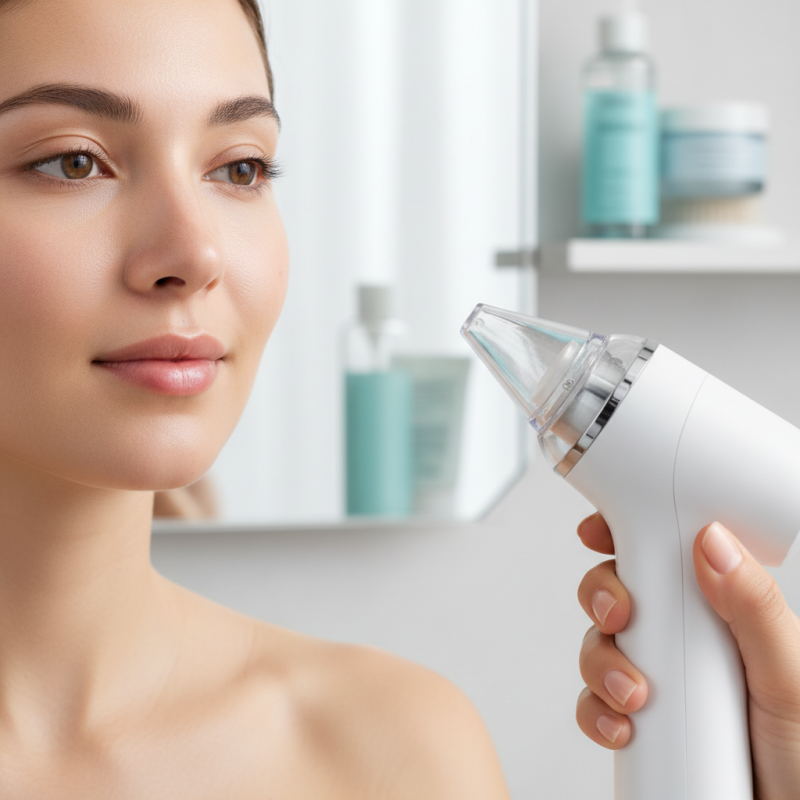
Blackhead remover vacuums have become popular in skincare routines. They promise to clear clogged pores quickly. However, understanding their function is crucial for safe usage. These devices use suction to extract debris from the skin. If used incorrectly, they can cause irritation or bruising.
Frequency of use varies among individuals. Some may find weekly sessions effective, while others may need to adjust based on their skin type. Sensitive skin requires careful consideration. Overuse can lead to dryness or redness. It’s essential to listen to your skin and allow time for healing. This isn’t a one-size-fits-all solution.
Maintenance and preparation matter too. Always cleanse your face before using the device. Follow up with soothing skincare products. This ensures your skin stays healthy while addressing blackheads. Experiment with different techniques and pay attention to your skin’s reactions. This approach can lead to better outcomes and a more positive experience.
Using a blackhead remover vacuum can significantly enhance skin health. Research indicates that regular use may clear out impurities and excess oil, leading to a fresher complexion. In fact, a study found that around 78% of participants noticed reduced blackheads after consistent use. This device helps in extracting clogged pores, which can prevent acne breakouts.
Moreover, the exfoliating effect of such vacuums can promote cell turnover. By removing dead skin cells, it allows for better absorption of skincare products. However, overuse may cause irritation. Dermatologists generally advise using these devices no more than once a week. Striking the right balance is crucial. Excessive use can damage the skin barrier, leading to dryness or redness.
Adapting to individual skin types is essential when using a blackhead remover vacuum. Sensitive skin may require more caution and less frequent application. Also, it’s important to properly clean the device before and after use. This reduces the risk of introducing bacteria back onto the skin. Ultimately, understanding your skin and adapting your routine can yield the best results.
| Frequency of Use | Estimated Benefits | Skin Health Improvements | Considerations |
|---|---|---|---|
| Once a week | Improves skin texture | Smoother appearance | Avoid overuse to prevent skin irritation |
| Bi-weekly | Minimizes blackheads | Fewer clogged pores | Consider skin type before use |
| Monthly | Deep cleansing | Improved overall skin health | Ensure proper technique to avoid harm |
| As needed | Treats occasional breakouts | Fast relief for problem areas | Monitor skin's response after use |
When considering how often to use a blackhead remover vacuum, it's essential to tailor the frequency to your skin type. For oily skin, experts suggest using it once a week. Oily skin tends to produce more sebum, leading to clogged pores. This frequent use can help maintain a balance. A study published in the Journal of Dermatology indicates that regular cleaning can reduce the occurrence of blackheads by up to 30% over a period of two months.
In contrast, those with sensitive or dry skin should limit use to once every two to three weeks. Overuse may irritate the skin, causing redness or even breakouts. A survey conducted by the American Academy of Dermatology found that 40% of users experienced increased sensitivity after frequent suctioning. Targeting the frequency based on skin type supports healthier skin and minimizes the risk of adverse reactions.
Pay attention to your skin’s response. If irritation occurs, consider extending the interval. Remember, consistent care leads to long-term benefits. Listen to your skin; it will guide you to the right balance in your routine. Aim for effective maintenance rather than aggressive treatment.
Using a blackhead remover vacuum can be beneficial, but it requires careful handling.
First, always start with clean skin. Ensure your face is washed and steamed. This process opens pores and makes extraction easier.
Apply a gentle exfoliator a day before use to prepare your skin.
When using the device, maintain a steady motion. Moving it too quickly can lead to bruising. Avoid the same area for too long to prevent irritation.
Limit your use to once every two weeks. This frequency allows your skin to recover and avoids over-extraction, which can cause damage.
Afterward, soothing your skin is crucial. Use a calming serum or moisturizer.
Redness may occur, but it should subside within hours. If irritation persists, consult a dermatologist.
Reflect on your technique to improve.
Is the suction too strong? Are you pressing too hard? These questions can guide you in refining your approach for better results.
When caring for your skin, knowing when to replace your blackhead remover vacuum attachment is vital. This tool can be effective, but it has a lifespan. Look for signs that indicate replacement is necessary. If you notice a diminished suction power, it may be time to switch it out. Ineffective suction can result in incomplete blackhead removal and additional irritation.
Another sign to watch for is visible wear and tear. Cracks or damage on the attachment can introduce bacteria to your skin, leading to infections or breakouts. If the filter is discolored or clogged, this is also a red flag. A clean tool ensures you get the best results. Sometimes, we overlook these details in pursuit of clear skin.
Frequent use can take a toll, too. If you've been using the vacuum daily, assess the condition of the attachment. Overuse can wear it down faster than expected, influencing its performance. Regularly check your tools to maintain skin health. It's easy to become complacent, but your skin deserves better care. Making these small adjustments can lead to more effective treatments and a more rewarding skincare routine.
: It uses suction to extract debris from clogged pores.
Frequency varies; oily skin may benefit from weekly use, while sensitive skin should limit use to every two to three weeks.
Yes, overuse can lead to dryness, redness, and irritation.
Cleanse your face and consider steaming to open pores for better results.
Use a steady motion and avoid staying in one area too long to prevent bruising.
Apply a calming serum or moisturizer to soothe your skin.
Consult a dermatologist for guidance if redness or irritation does not subside.
Reflect on your suction strength and pressure. Adjust as necessary for better results.
Slight redness is common but should fade within hours.
Each skin type reacts differently; tuning in helps find the right routine for you.
When considering how often should you use a blackhead remover vacuum, it's essential to first understand the device and its benefits for skin health. Blackhead remover vacuums can effectively extract impurities from the pores, leading to clearer skin. However, the recommended frequency of use largely depends on individual skin types; for example, those with sensitive skin may benefit from less frequent use compared to those with oily skin.
To ensure safe and effective results, users should follow best practices, such as starting with lower suction settings and maintaining proper hygiene. Additionally, being attentive to signs that it’s time to replace the vacuum attachment can optimize performance and prevent skin irritation. Ultimately, establishing a routine based on your skin's needs will yield the best results while minimizing potential side effects.
