5 Reasons Why Does My Face Itch After Using a Facial Steamer?

Time:2026-06-11 Author:Sienna
0%

Using a facial steamer is a popular skincare practice. It aims to hydrate and cleanse the skin, enhancing overall appearance. However, many users report discomfort afterward, particularly itching. A prevalent concern is "why does my face itch after using a facial steamer?" Recent studies show that skin irritation affects nearly 30% of facial steamer users.

Various factors could trigger this response. The heat from the steam opens pores but may also lead to moisture loss. It's essential to consider individual skin types and sensitivities. For instance, sensitive skin is more prone to reactions. Furthermore, essential oils or products used in conjunction may contribute.

Understanding these aspects helps find effective solutions. Pay attention to skin reactions and adjust routines accordingly. Consulting with dermatologists can provide valuable insights. Addressing these questions can lead to better skin health and a more enjoyable steaming experience.
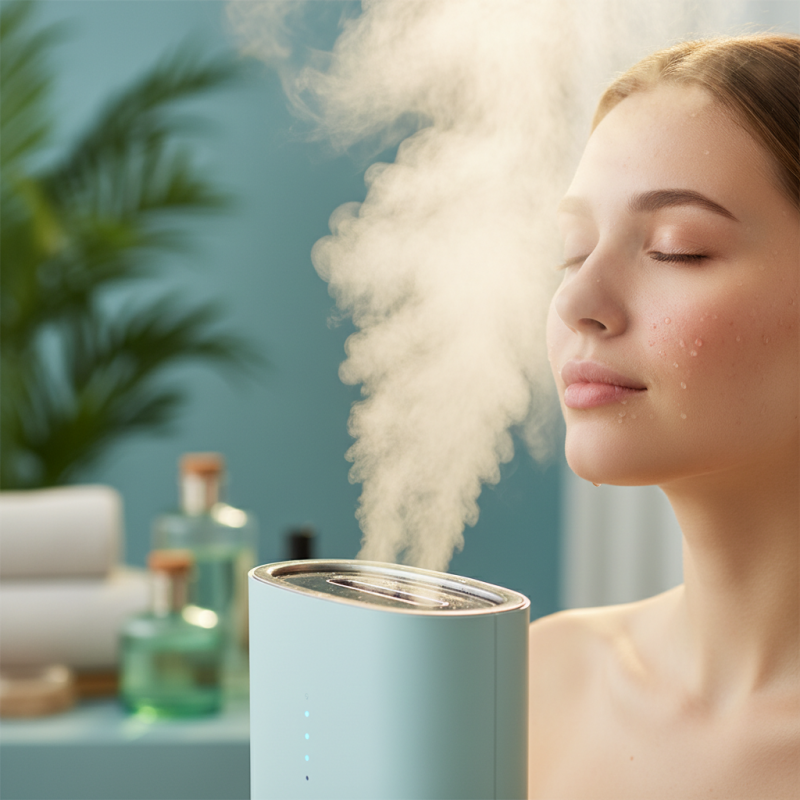
5 Reasons Why Does My Face Itch After Using a Facial Steamer?

Understanding the Mechanism of Facial Steamers and Skin Responses

Facial steamers work by generating warm, moist air. This process opens pores and helps with deep cleansing. However, not everyone enjoys positive results. Some users may experience itching after a session. Understanding the skin's response is essential.

Steam increases blood circulation. This can lead to irritation in some people, especially those with sensitive skin. The heat may cause the skin to react, resulting in itchiness. Additionally, if products are applied before steaming, they might not sit well. Active ingredients in those products can become intensified, causing discomfort.

Using a facial steamer requires caution. Ensure your skin is clean before steaming. Avoid excessive steam time to reduce irritation risks. Some users may find relief through shorter sessions or adjusting the distance of the steamer. Listen to your skin’s feedback. If you experience persistent itching, consider consulting a dermatologist. Understanding your skin will lead to better results.

Common Skin Reactions to Heat: Why Your Face Itches After Steaming

Experiencing an itchy face after using a facial steamer is more common than you might think. The heat from the steam opens the pores, which can trigger various skin reactions. For some, this warmth causes blood vessels to dilate, increasing blood flow to the skin’s surface. This reaction can lead to itchiness, redness, or even minor irritation, especially if the skin is sensitive.

When you steam your face, moisture in the air may lead to a sudden change in your skin's hydration levels. If your skin is dehydrated, this can amplify the feeling of itchiness. Essential oils or other additives in your steam session can also contribute to irritation. Many people assume that steaming helps all skin types, but this isn't always the case. Not everyone will enjoy the same outcomes. Each skin type has unique responses to heat and moisture, so it's important to listen to your skin's reactions.

After steaming, it’s advisable to assess your skin’s condition. If you notice itchiness, you may consider using calming products like aloe vera. Avoiding overly hot temperatures can also make a difference. Treat your skin gently and allow it time to recover. Remember, acknowledging discomfort is the first step toward better skincare practices.

The Role of Essential Oils and Additives in Facial Steamer Irritations

Using a facial steamer can enhance your skincare routine. However, some may experience itching post-use. This discomfort often stems from essential oils and additives in the steam. These ingredients can irritate sensitive skin. Natural oils are potent but can cause reactions. Fragrances and preservatives might evoke an itching response. Identifying what triggers your skin can aid in preventing irritation.

Tips: Always patch-test essential oils before using them. Dab a small amount on your wrist. Wait 24 hours to observe any reactions.

Consider your skin type before adding oils to the steamer. For dry skin, lighter oils work better. Oily or acne-prone skin should avoid heavy additives. Evaluate the ingredient list if you experience discomfort. Unfamiliar items can irritate your skin more than beneficial ones.

Another tip: Hydrate before using a steamer. This helps your skin adjust to heat. Also, ensure adequate cooling time after steaming. Rushing can heighten irritation effects. Keep track of what ingredients you introduced during your routine; this may lead to insights about your skin's reactions. Consistency is essential in skincare.

5 Reasons Why Does My Face Itch After Using a Facial Steamer?

Reason Description Essential Oils/Additives Irritation Level
Allergic Reaction Some individuals may be allergic to certain oils or steamer additives. Lavender Oil High
Skin Sensitivity Sensitive skin can react adversely to steaming and additives. Peppermint Oil Medium
Overuse of Steam Excessive steam can dry out skin and cause itchiness. None Low
pH Imbalance Certain ingredients can disrupt the skin's natural pH level. Tea Tree Oil Medium
Contamination Dirty equipment or water can cause irritations and infections. None High

Skin Sensitivity: Factors Contributing to Itching After Steam Treatment

Facial steaming can be relaxing, but it may also lead to itching. Skin sensitivity plays a key role in this reaction. Factors like temperature and humidity can trigger discomfort. When steam is introduced, it opens up pores. However, for some, this process can cause irritation.

Allergies are another common cause of itchy skin. If you’ve recently changed skincare products, the new formulas might be too harsh. Ingredients in serums or cleansers can react poorly to steam. This creates a perfect storm for irritation.

Understanding your skin type is crucial. Sensitive skin may not tolerate the heat as well as others. Exposure to steam can exacerbate existing conditions like eczema or rosacea. It's essential to listen to your skin. If you notice consistent itching, consider adjusting your routine.

Preventative Measures: How to Use a Facial Steamer Safely for Your Skin

Using a facial steamer can be a soothing experience, but not without potential risks. Many people report an itchy sensation afterward. Understanding safe usage is crucial for skin health. Industry reports indicate that improper steaming techniques can lead to dryness and irritation.

One effective tip is to maintain a safe distance from the steam. It is advisable to keep the steamer at least 12 inches away from your face. This prevents overheating and allows your skin to adjust gradually. Moisturizing your skin before and after steaming adds an extra layer of protection. A gentle, hydrating product can help lock in moisture.

Monitoring your skin's reaction is essential. If the itching persists, consider reducing the frequency of steaming sessions. Experts recommend no more than once a week for most skin types. Listen to your skin. It often provides signals when something doesn't feel right. Always be cautious with heat exposure, especially if you have sensitive skin.

FAQS

: What do facial steamers do?

: Facial steamers generate warm, moist air. They open pores and help with deep cleansing.

Can everyone use facial steamers?

Not everyone enjoys positive results. Some users may experience itching or irritation.

Why does my skin itch after steaming?

Itching can result from increased blood circulation or active ingredients in products applied before steaming.

How can I avoid irritation from facial steamers?

Ensure your skin is clean before steaming. Limit steam time and adjust the steamer distance.

Should I use essential oils in a facial steamer?

Be cautious with essential oils. They can irritate sensitive skin. Always patch-test before use.

What should I do if I experience discomfort?

If itching persists, consider consulting a dermatologist. Understanding your skin is crucial.

How can I identify what irritates my skin?

Track the ingredients introduced during your routine. This may provide insights into your skin's reactions.

How does hydration relate to using a facial steamer?

Hydrating your skin beforehand helps it adjust to heat.

Can steam time affect skin reactions?

Yes, excessive steam time can heighten irritation. Shorter sessions may be more beneficial.

What skin types should avoid heavy additives in steam?

Oily or acne-prone skin should generally avoid heavy additives to reduce irritation risks.

Conclusion

Facial steamers can provide various benefits for the skin, but many users may find themselves asking, "why does my face itch after using a facial steamer?" Understanding the mechanism behind facial steamers reveals that the heat can provoke common skin reactions, leading to itching. The warmth opens up pores and may increase blood circulation, but it can also irritate sensitive skin or exacerbate underlying conditions. Additionally, essential oils and additives used in steaming can contribute to this discomfort.

Factors such as skin sensitivity and pre-existing conditions play a significant role in how the skin reacts to steam treatment. To mitigate these effects, users are encouraged to take preventative measures, such as ensuring appropriate distance from the steam, limiting steaming time, and avoiding harsh additives. By following safe practices, individuals can enjoy the benefits of facial steaming while minimizing the risk of itchiness and irritation.

Sienna

Sienna

Sienna is a skilled marketing professional with a deep expertise in our company’s core products and services. With a passion for innovation and detail, she plays a pivotal role in crafting insightful blog posts that not only highlight the unique features of our offerings but also provide valuable......