When it comes to skincare, many wonder, "can you use a blackhead remover on pimples?" This question often arises for those seeking clearer skin. Blackhead removers are popular for their ability to extract impurities. However, using them on active pimples can be tricky and potentially harmful.
The skin is sensitive, and improper use of these tools can lead to irritation or scarring. Many users report mixed results, with some seeing effective results while others end up with painful blemishes. It's crucial to recognize your skin type before using any tool. Experimenting without proper knowledge can be counterproductive.
Choosing the right method for your skin matters greatly. For instance, a gentle approach is key when dealing with pimples. An aggressive technique can exacerbate the situation. Remember, not all skin reacts the same way. Understanding your skin's unique needs leads to better results. Always prioritize safety and skincare knowledge over convenience.
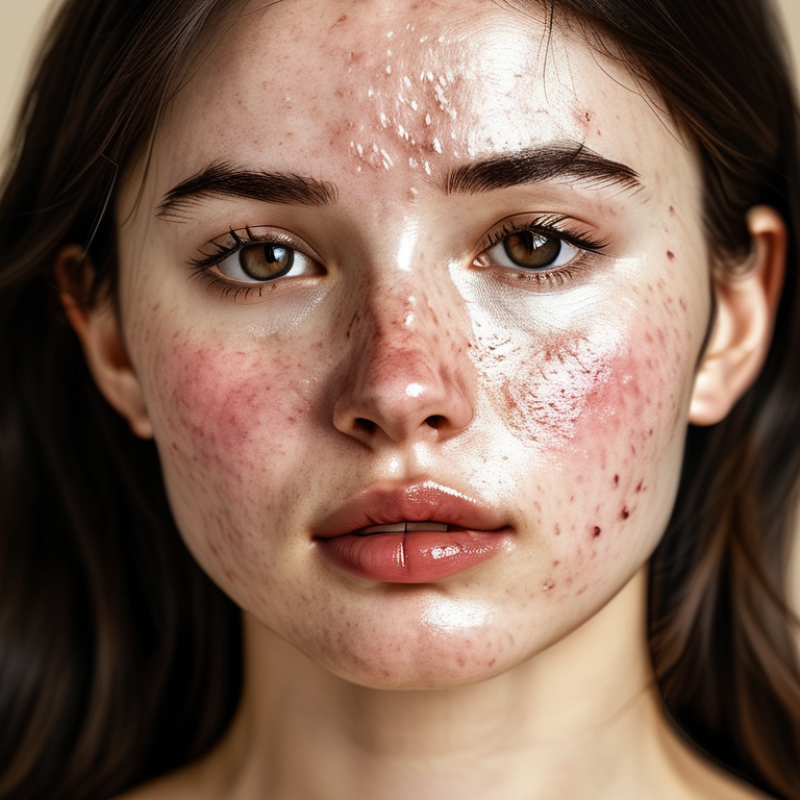
Understanding Blackhead Removers and Their Use on Pimples
Understanding blackhead removers requires examining how these tools function on acne-prone skin. Blackhead removers typically work by creating pressure around the clogged pore. The purpose is to extract sebum, dead skin cells, and other debris. A study published in the Journal of Dermatological Treatment indicated that improper use could lead to inflammation and scarring on the skin. Thus, technique matters profoundly.
The application of a blackhead remover on pimples can be tricky. Many people may believe that using these tools reduces acne. However, experts warn that removing a pimple improperly may push bacteria deeper into the skin. This could lead to worse breakouts. Statistics show that 85% of individuals aged 12 to 24 experience acne. Proper education on tool usage is vital for safety. Skin experts often recommend steaming the face before extraction. This softens skin and opens pores, enhancing effectiveness.
Moreover, the design of blackhead removers varies widely. Some come with flat loops, while others have pointed ends. Understanding which design works best for your skin type is essential. While some may find success with one tool, others might face irritation. This individual response highlights a significant aspect of skincare: what works for one may not work for another. Only through careful experimentation can users find their best methods.
Choosing the Right Blackhead Remover for Your Skin Type
Choosing the right blackhead remover for your skin type is essential for effective results. According to a study published in the Journal of Dermatology, using the appropriate tools can significantly reduce skin irritation. For oily skin, tools with stainless steel tips are preferred. They are less likely to introduce bacteria compared to plastic options.
On the other hand, sensitive skin types require gentler solutions. A silicone-based remover can provide softness without causing redness. Research indicates that 48% of consumers experience inflammation when using harsh tools. Thus, understanding your skin type can prevent unnecessary irritation and promote better treatment outcomes.
When using a blackhead remover, it is crucial to follow proper techniques. Many individuals apply excessive pressure, leading to broken capillaries. Avoid this mistake to maintain skin integrity. Additionally, ensuring the tool is sterilized can prevent post-extraction infections. A study in the International Journal of Cosmetic Science highlighted how nearly 30% of users neglect this step, which can lead to complications. Being mindful of these details can refine your skincare routine and yield improved results.
How to Use a Blackhead Remover on Pimples Effectively
| Skin Type |
Recommended Blackhead Remover Type |
Effectiveness |
Usage Tips |
| Oily |
Pore Strips |
High |
Use on damp skin for better adhesion. |
| Dry |
Clay Masks |
Moderate |
Moisturize afterward to avoid dryness. |
| Combination |
Exfoliating Scrubs |
High |
Limit use to 2-3 times a week. |
| Sensitive |
Gentle Cleansing Brushes |
Low |
Test on a small area first. |
| Acne-Prone |
Salicylic Acid Treatments |
Very High |
Consult a dermatologist for recommendations. |
Step-by-Step Guide to Effectively Using a Blackhead Remover
Using a blackhead remover on pimples can be tricky. It's essential to approach the process with care. Start with clean hands and tools. Wash your face thoroughly. This step helps reduce bacteria that can worsen pimples.
Prepare your skin by applying a warm compress. The warmth opens up pores, making it easier to extract impurities. Once you feel ready, gently place the blackhead remover tool over the targeted area. Apply slight pressure. If it doesn't work immediately, stop. Overdoing it can damage your skin. Sometimes, it’s better to wait for a pimple to ripen.
After extraction, cleanse the area again. Follow up with a soothing toner. This step helps calm irritation. Remember, everyone's skin responds differently. If you notice excessive redness or discomfort, reflect on your technique. It may be time to rethink your approach. Consistency matters, but so does being gentle. Maintaining skin health requires patience.
Post-Application Care for Healthy Skin After Using Removers
After using a blackhead remover on pimples, proper post-application care is crucial. Start by gently cleansing your skin with a mild, non-comedogenic cleanser. This helps remove any remaining impurities and prevents clogging of your pores. Follow with a soothing toner to restore your skin's pH balance. Look for ingredients like witch hazel or chamomile, which calm irritation.
Moisturization is key for healthy skin. Use a lightweight, oil-free moisturizer to hydrate without clogging pores. Your skin may feel sensitive, so avoid products with harsh ingredients or heavy fragrances. If redness occurs, apply a soothing gel containing aloe vera. It can help alleviate discomfort and promote healing.
Lastly, don’t skip sun protection. Apply a broad-spectrum sunscreen daily. Even a short sun exposure can lead to further irritation or darkening of spots. While it’s tempting to pick at blemishes post-treatment, resist this urge. Give your skin time to heal. Reflecting on your routine helps you identify what works best for your skin type.
Common Mistakes to Avoid When Using Blackhead Removers on Pimples
Using a blackhead remover on pimples can seem straightforward. However, many people make common mistakes that may worsen their skin condition. One key mistake is applying too much pressure. This can cause irritation and even lead to scarring. It’s crucial to be gentle and let the tool do the work.
Another frequent error is neglecting sanitation. Not cleaning the blackhead remover before use can introduce bacteria to the skin. This can trigger breakouts instead of solving them. Always sanitize your tools with alcohol before and after each use. Furthermore, timing matters. Using a blackhead remover on active or inflamed pimples is often counterproductive. Waiting until the inflammation subsides is a better approach.
Finally, many skip proper aftercare. Neglecting to apply soothing products can leave the skin vulnerable. After using a blackhead remover, consider using a calming serum or moisturizer. This step helps restore hydration and supports skin recovery. Remember, learning from these mistakes can lead to more effective skincare.
Effectiveness of Blackhead Remover on Pimples
FAQS
: They create pressure around clogged pores to extract sebum and debris.
Yes, but improper use can push bacteria deeper and worsen breakouts.
Steaming your face helps soften skin and opens pores for better extraction.
They vary, with some having flat loops and others pointed ends.
Gently cleanse with a mild cleanser, then apply a soothing toner.
A lightweight, oil-free moisturizer is ideal to hydrate without clogging pores.
Apply soothing gel with aloe vera to alleviate discomfort and promote healing.
Sun exposure can irritate the skin or darken spots, increasing recovery time.
No, it’s essential to resist this urge to allow skin time to heal.
Experiment with different designs and techniques to see what works for you.
Conclusion
When it comes to skincare, many often wonder, "can you use a blackhead remover on pimples?" The answer lies in understanding the purpose of blackhead removers and their effect on different types of blemishes. Blackhead removers can be effective for clearing clogged pores, but their use on pimples—especially inflamed ones—requires caution. It's essential to choose the right type of remover based on your skin type and the nature of your blemishes to prevent irritation.
To effectively use a blackhead remover on pimples, follow a step-by-step guide that includes proper cleansing, gentle application techniques, and post-application care to promote skin health. Additionally, be aware of common mistakes, such as applying too much pressure or using the tool on sensitive areas, to avoid adverse effects. With careful attention and the right approach, blackhead removers can be a useful tool in your skincare routine.
 Madame Beauty
